 NUILab
New NSF award: translating the science of learning into virtual reality
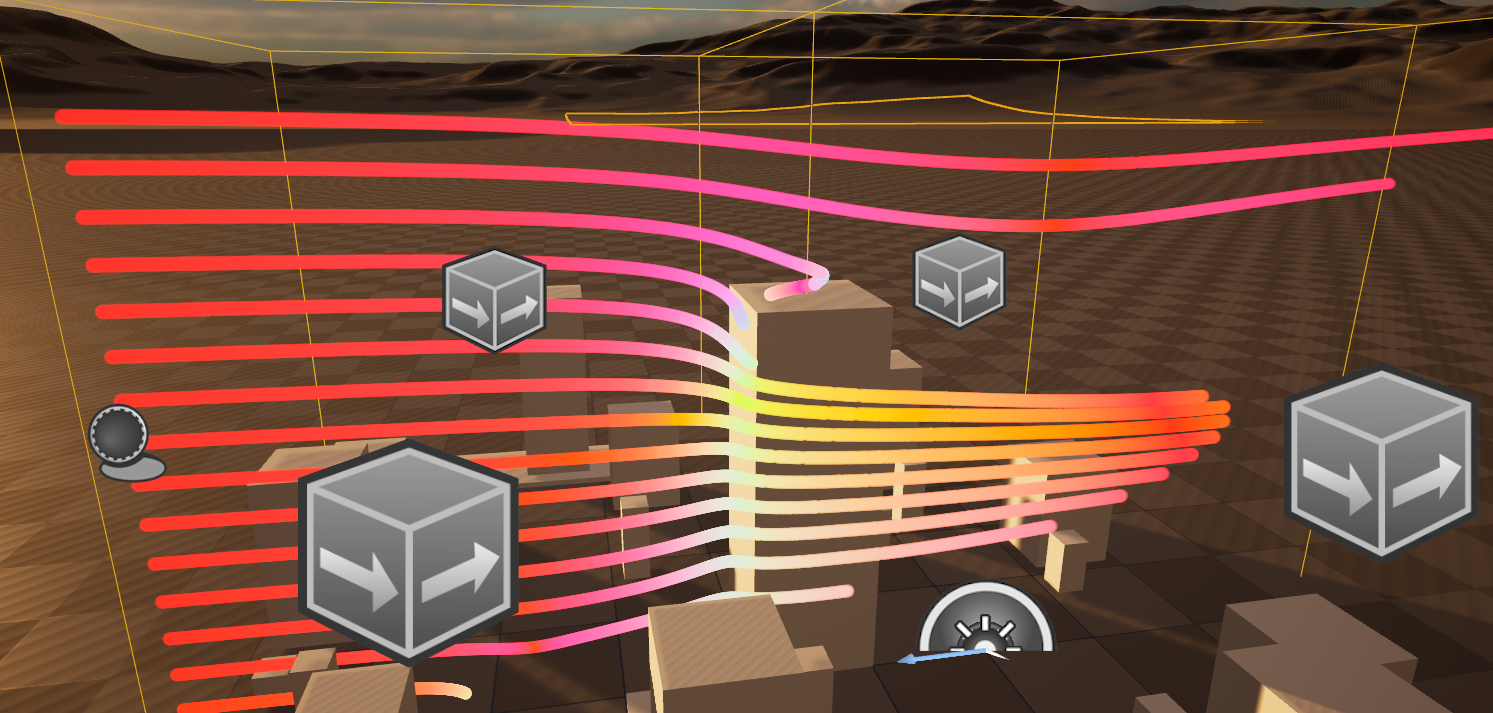
The lab is part of a new NSF I-USE collaborative award: Improving Conceptual Understanding of Invisible Physics by Translating the Science of Learning …
Oct 1, 2025
Colorado State University · Dept. of Computer Science · An XR & Human-Centered AI Lab
We design and study gesture, speech, and gaze interaction for augmented and virtual reality. As intelligent systems become the interface, we're extending that work toward human-centered AI — technology that fits people, and that people can use naturally, effectively, and safely.
 Grant
New NSF award: translating the science of learning into virtual reality
Oct 1, 2025 →
Grant
New NSF award: translating the science of learning into virtual reality
Oct 1, 2025 →Natural User Interaction Laboratory
An XR & Human-Centered AI Lab · Colorado State University, Department of Computer Science
The latest
One living stream of publications, news, and project updates — the part of the site that stays current. Adding an item is one short file.
The lab is part of a new NSF I-USE collaborative award: Improving Conceptual Understanding of Invisible Physics by Translating the Science of Learning …
The National Science Foundation has awarded Dr. Francisco R. Ortega a CAREER grant to advance the science of multimodal and microgesture interaction. …
A new strand of the lab’s health work asks a simple question: can a carefully designed virtual forest deliver some of the restorative effect of …
Lab life
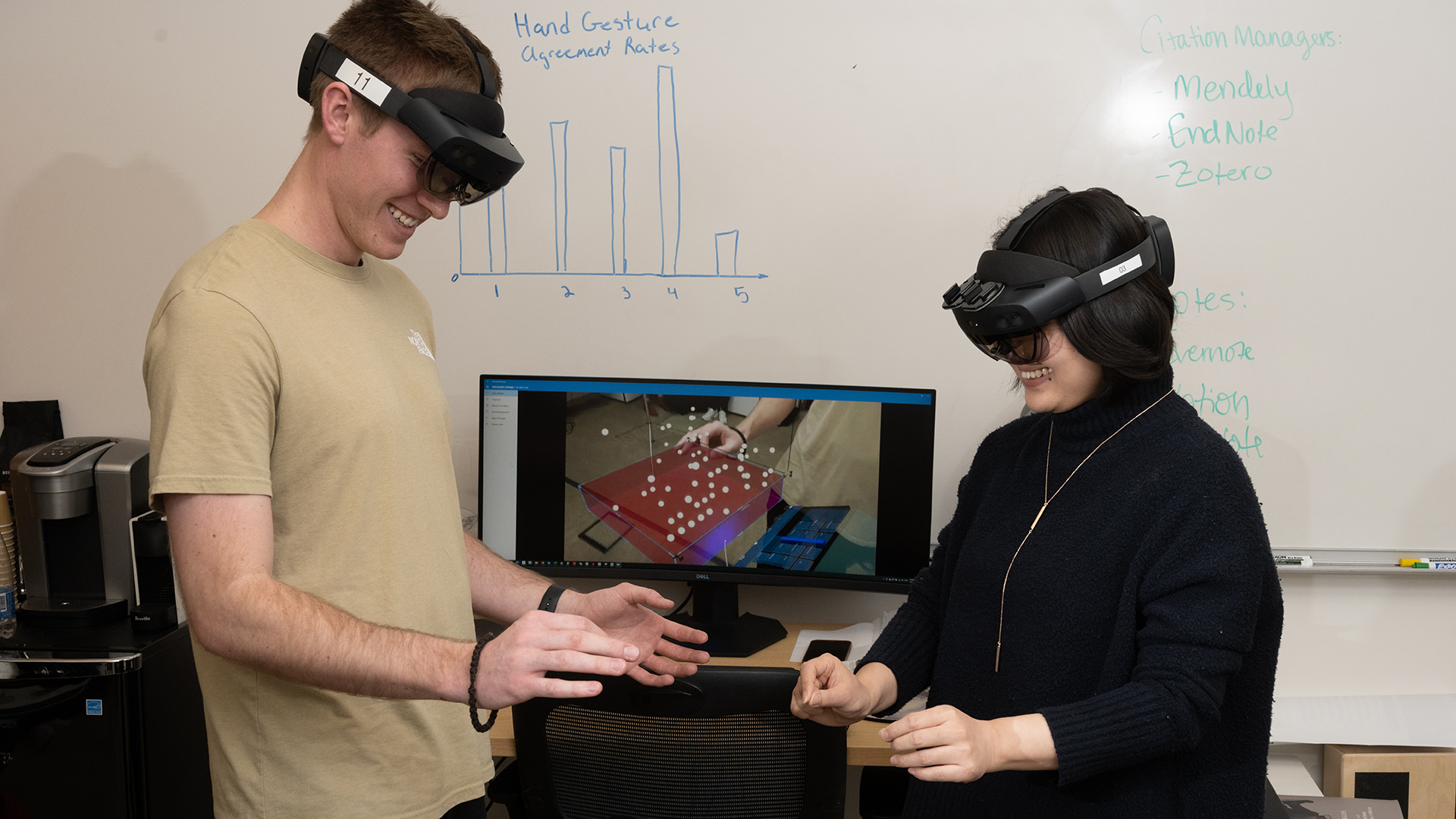
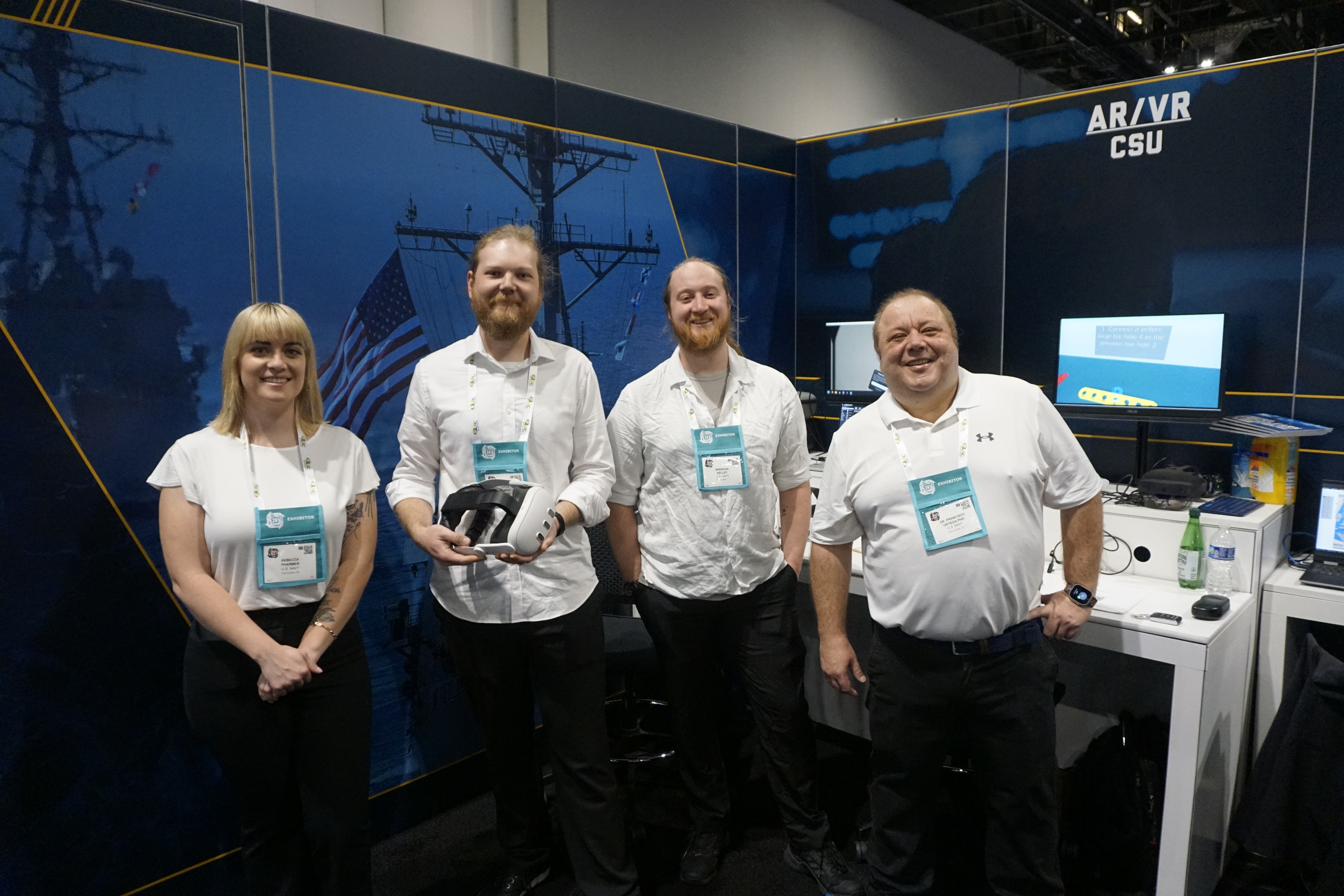
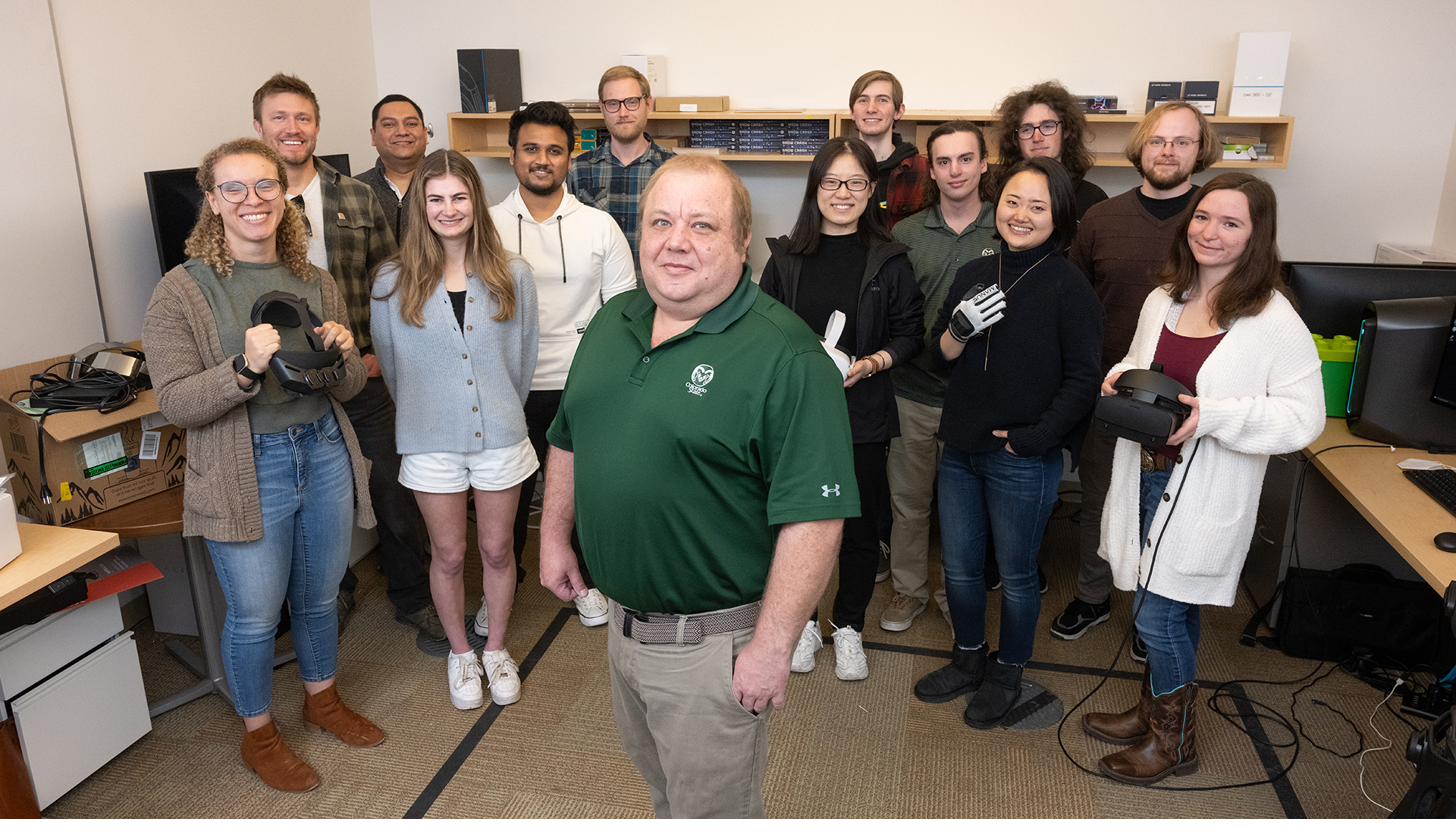
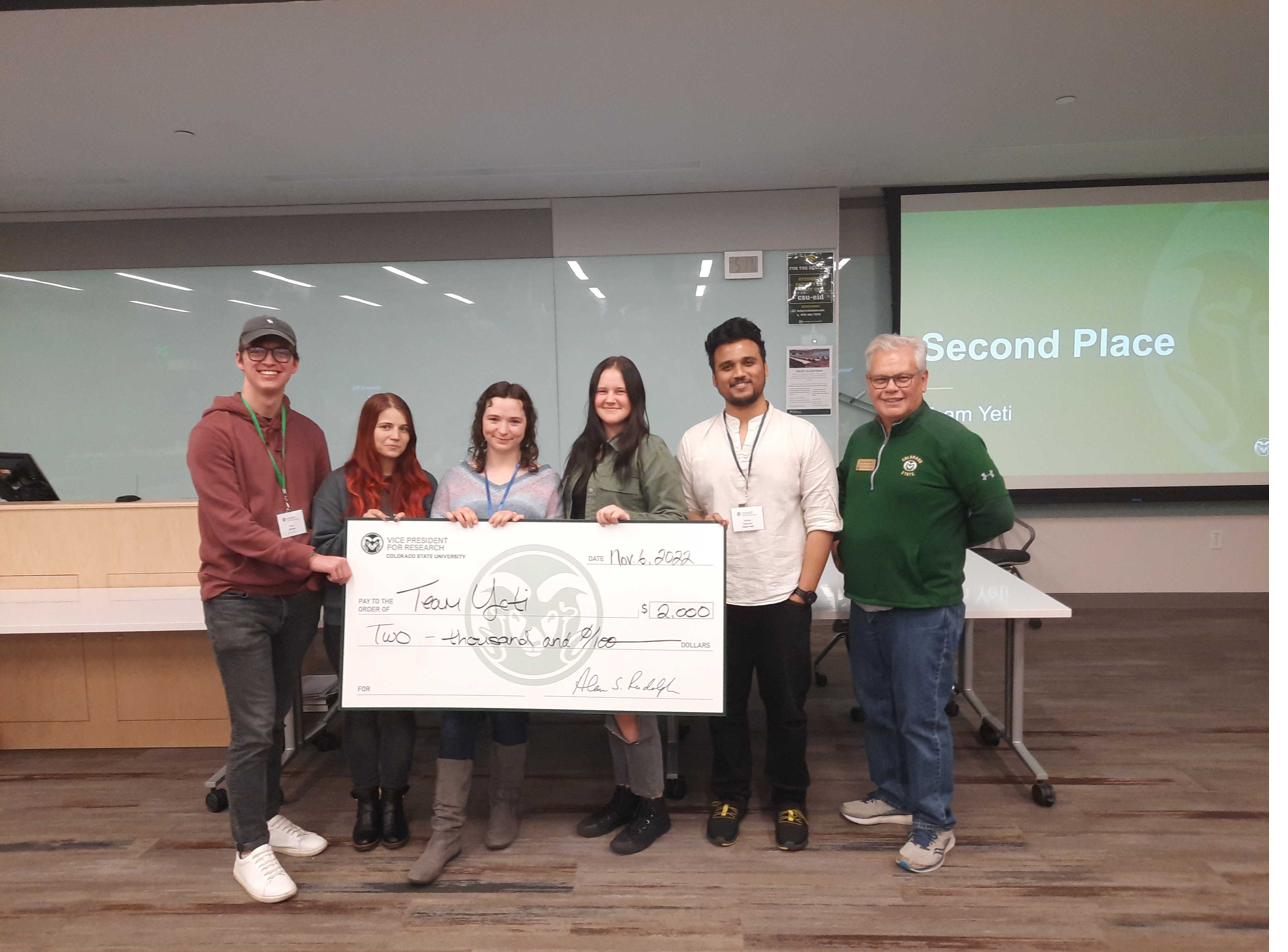
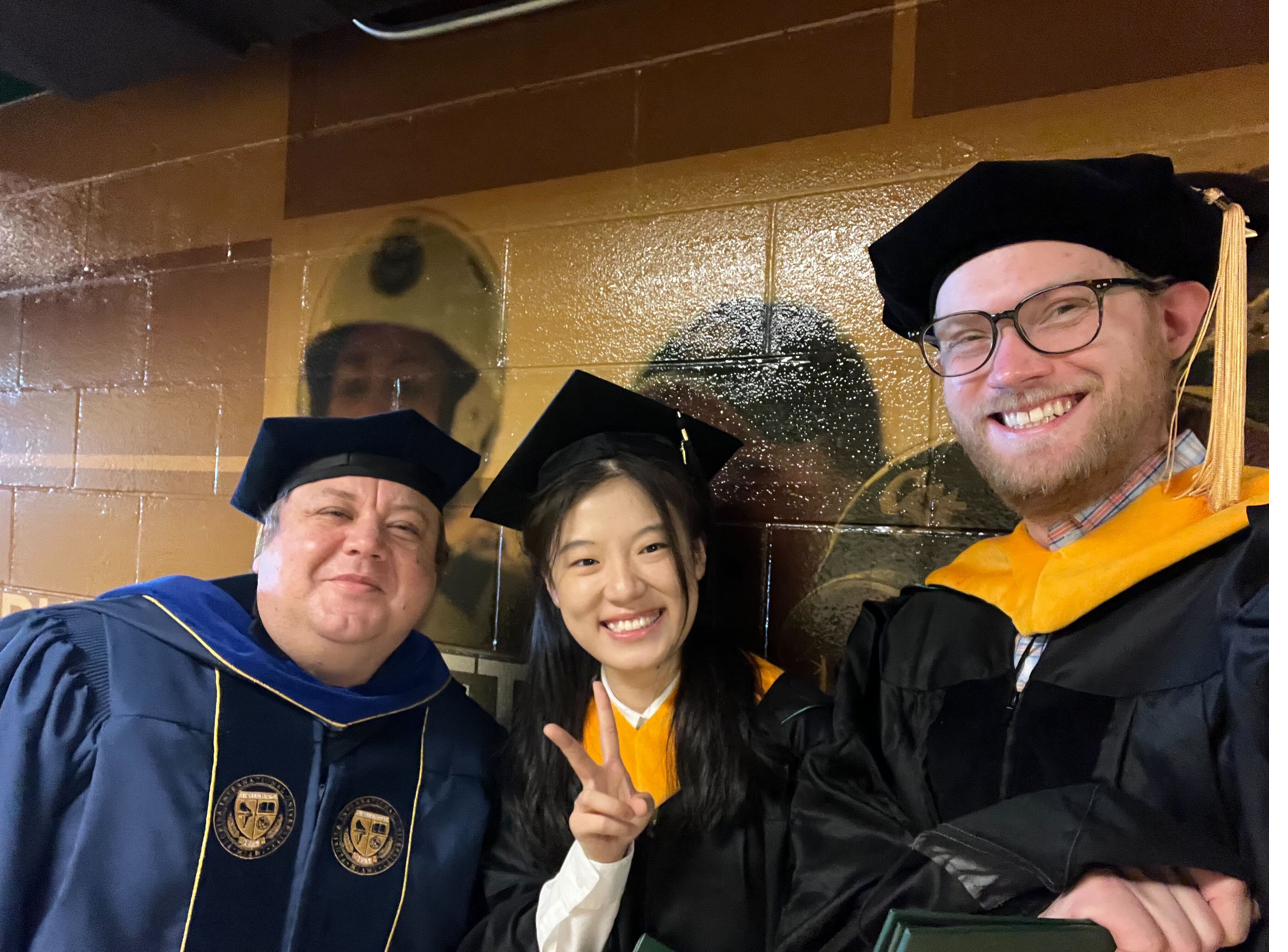
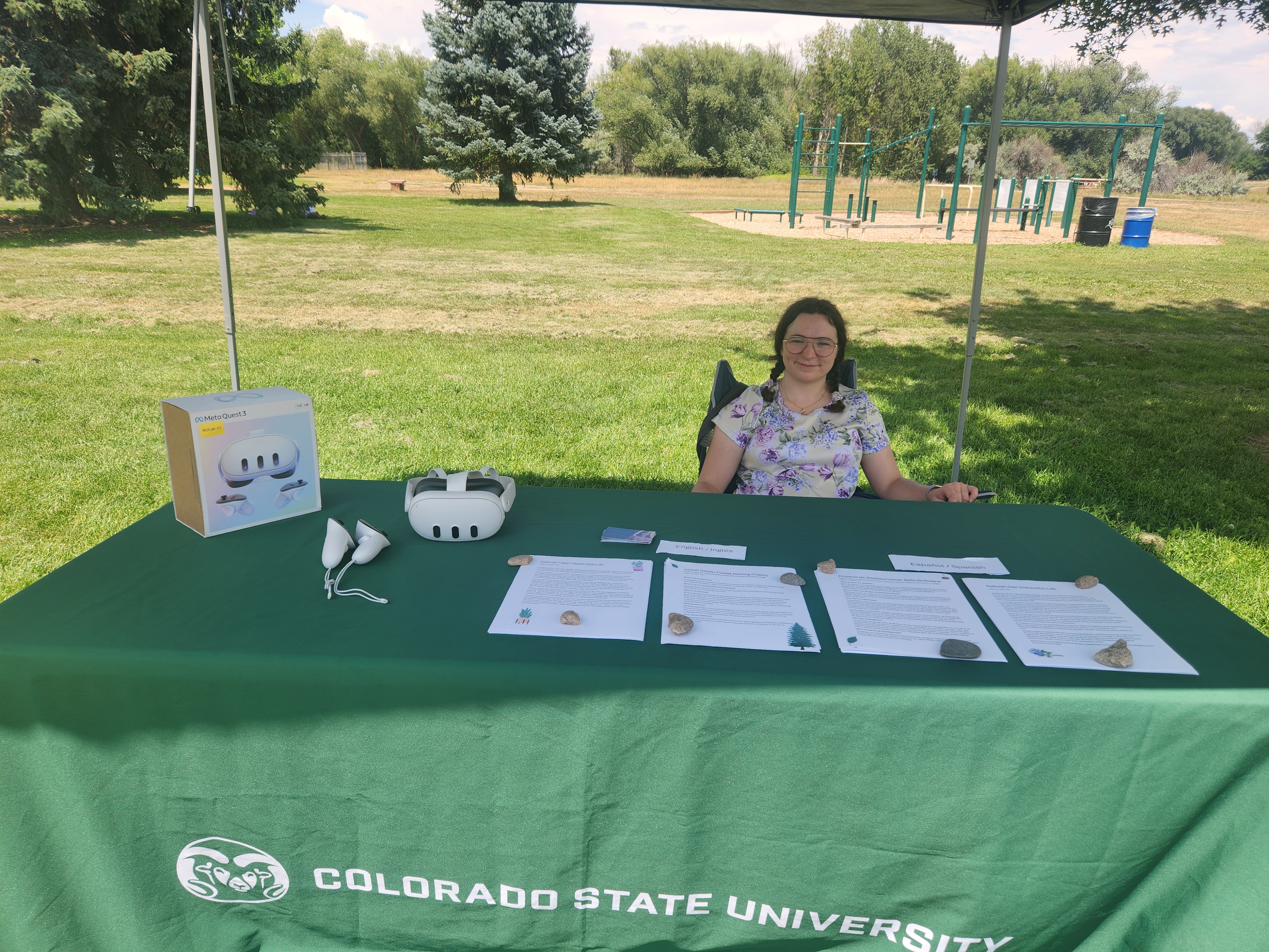
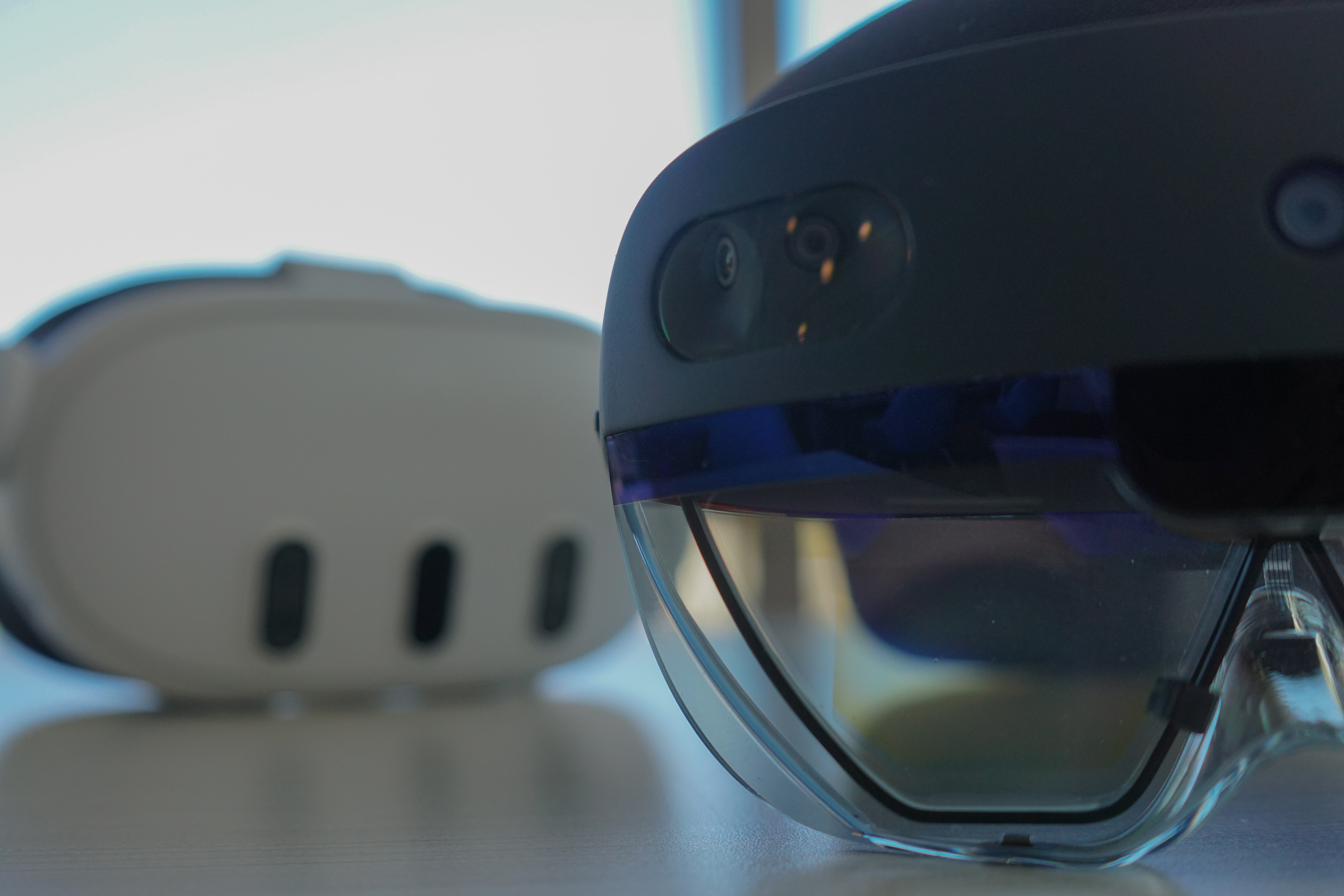
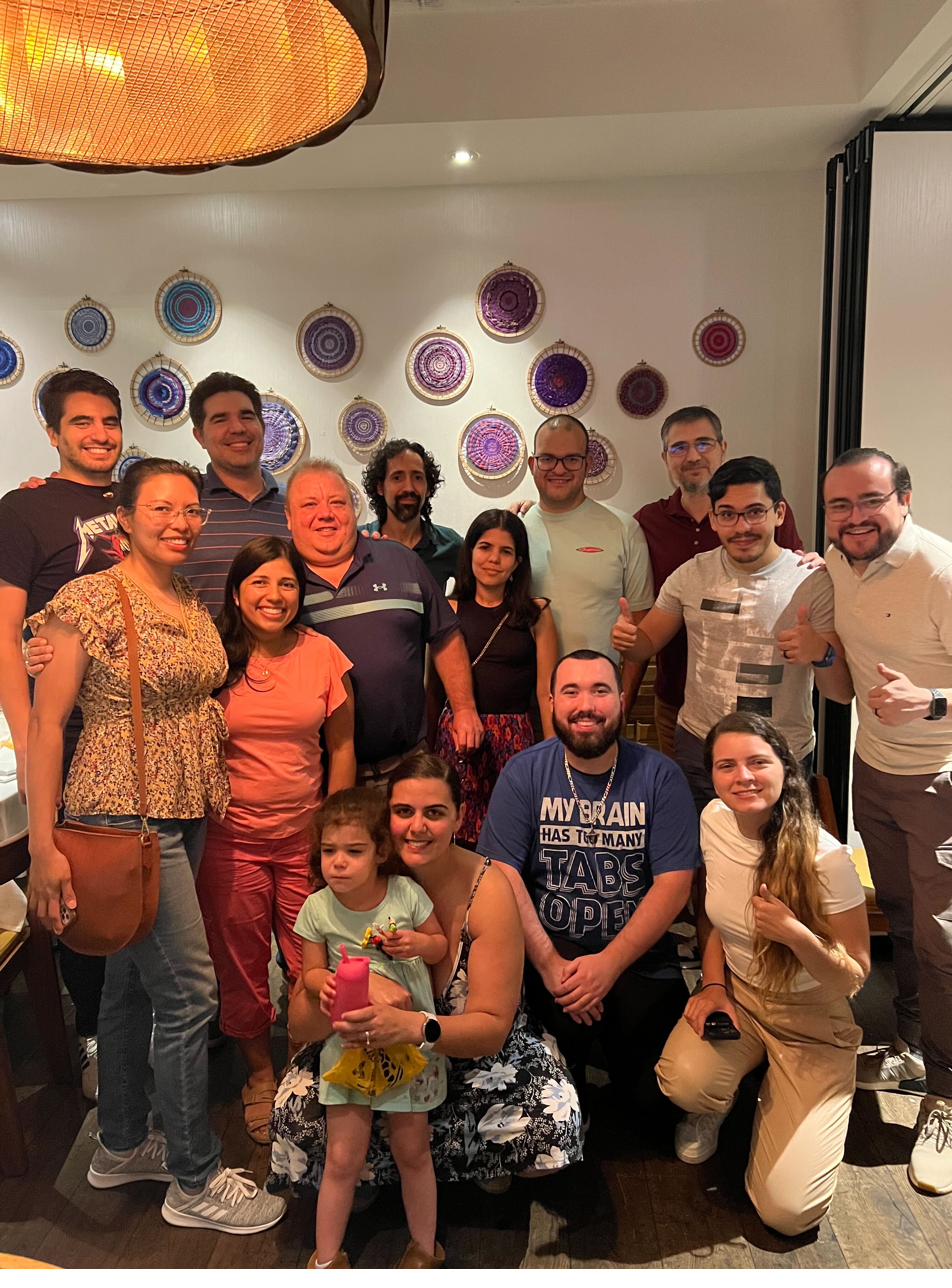
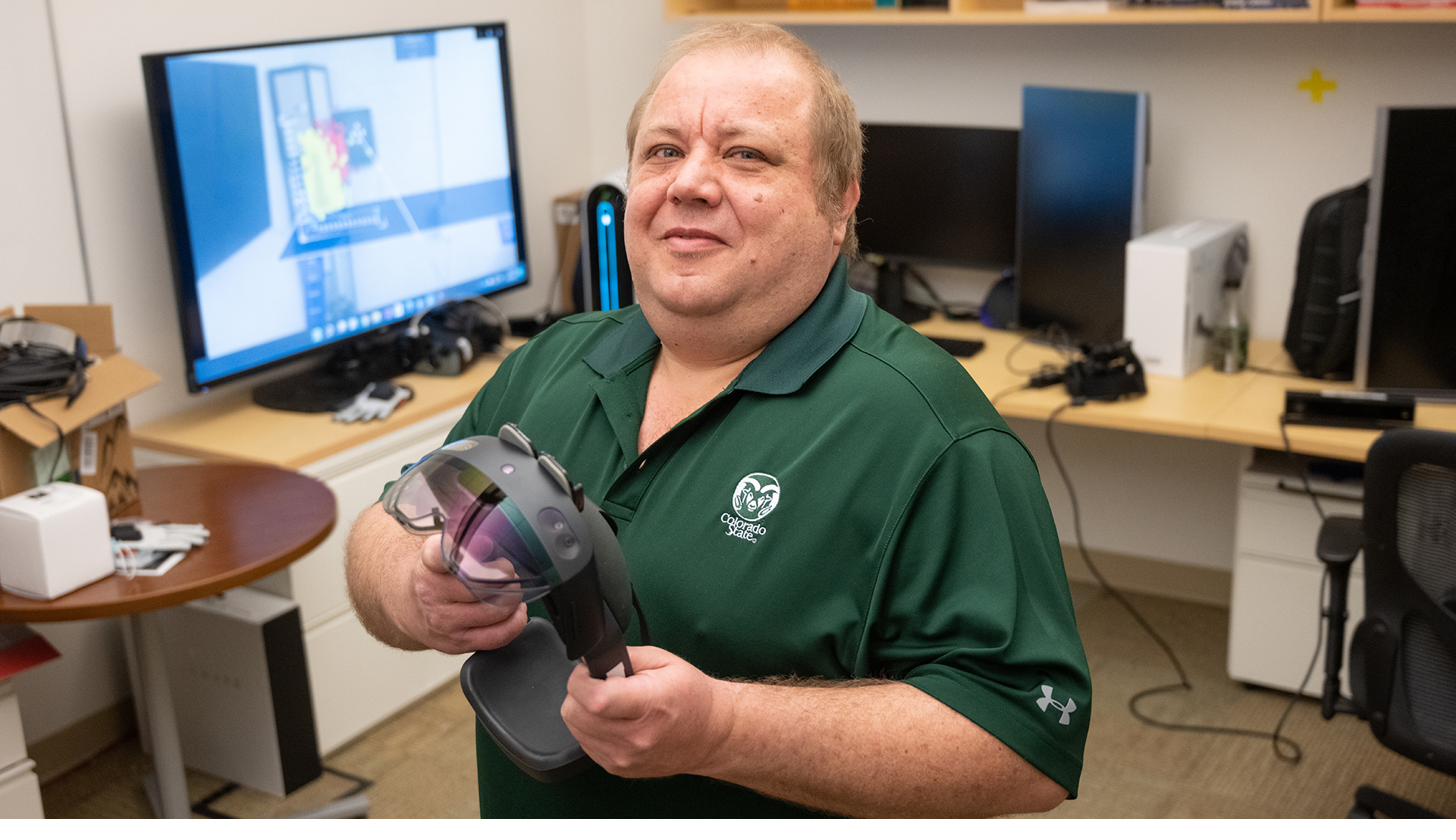
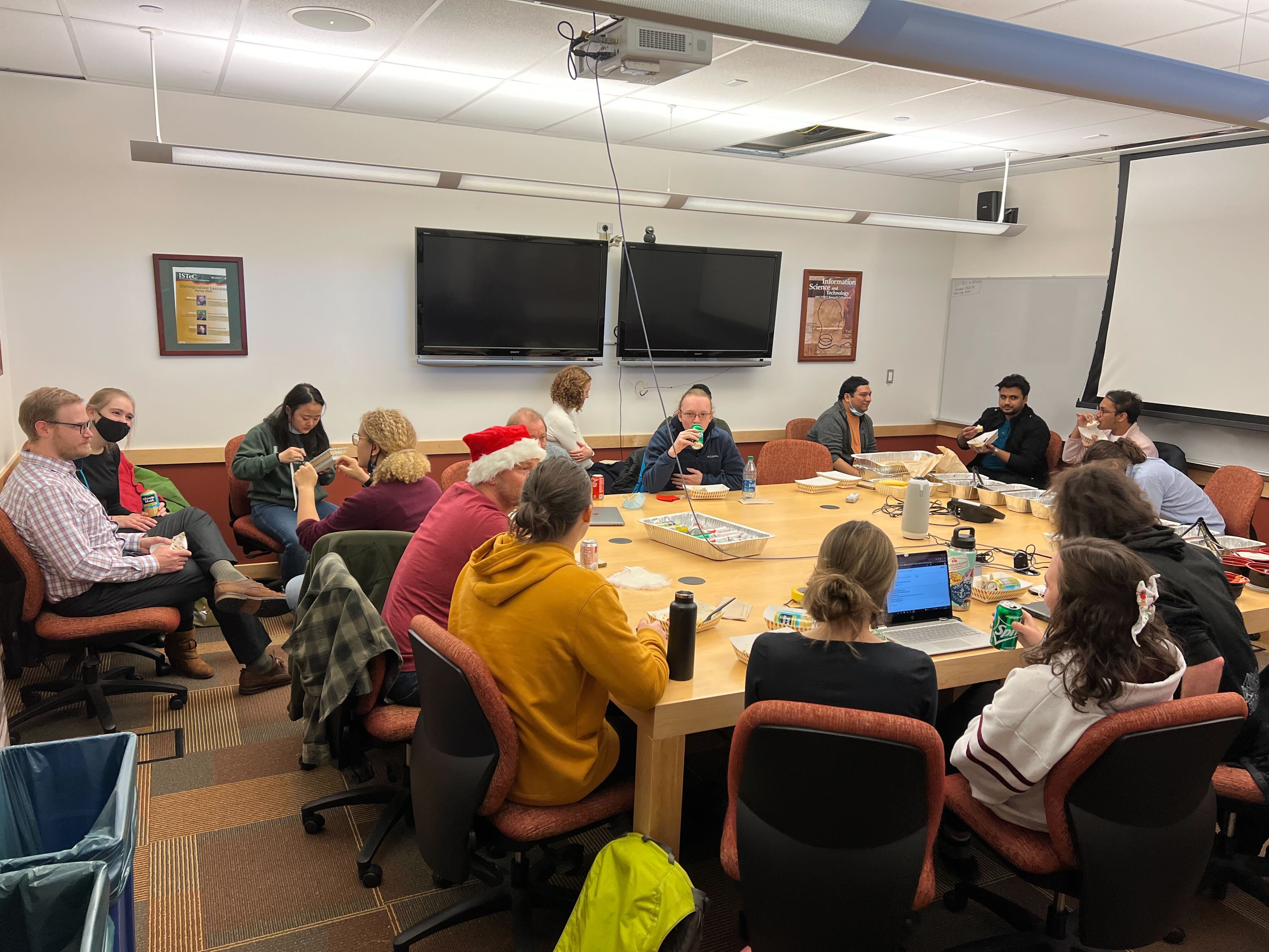
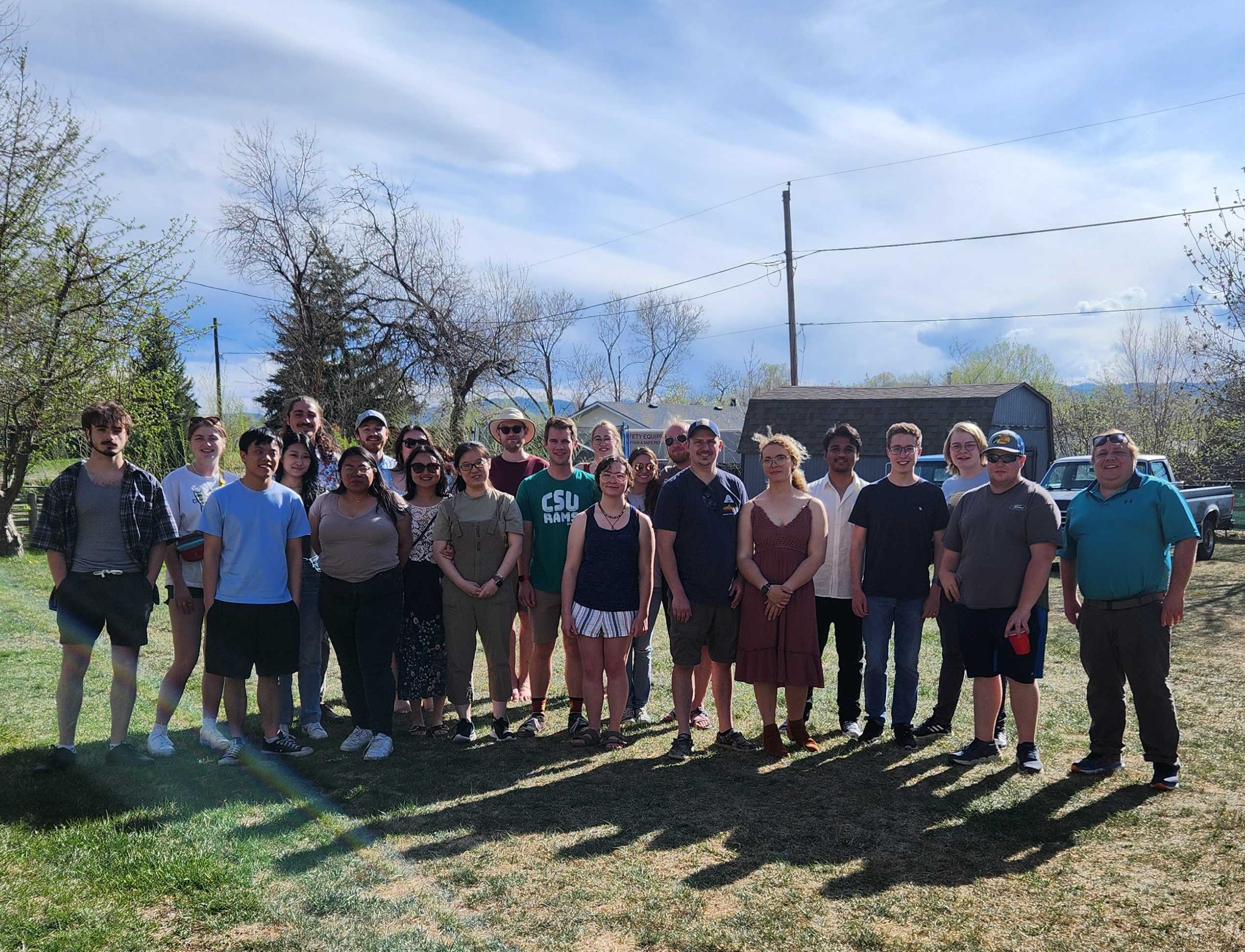
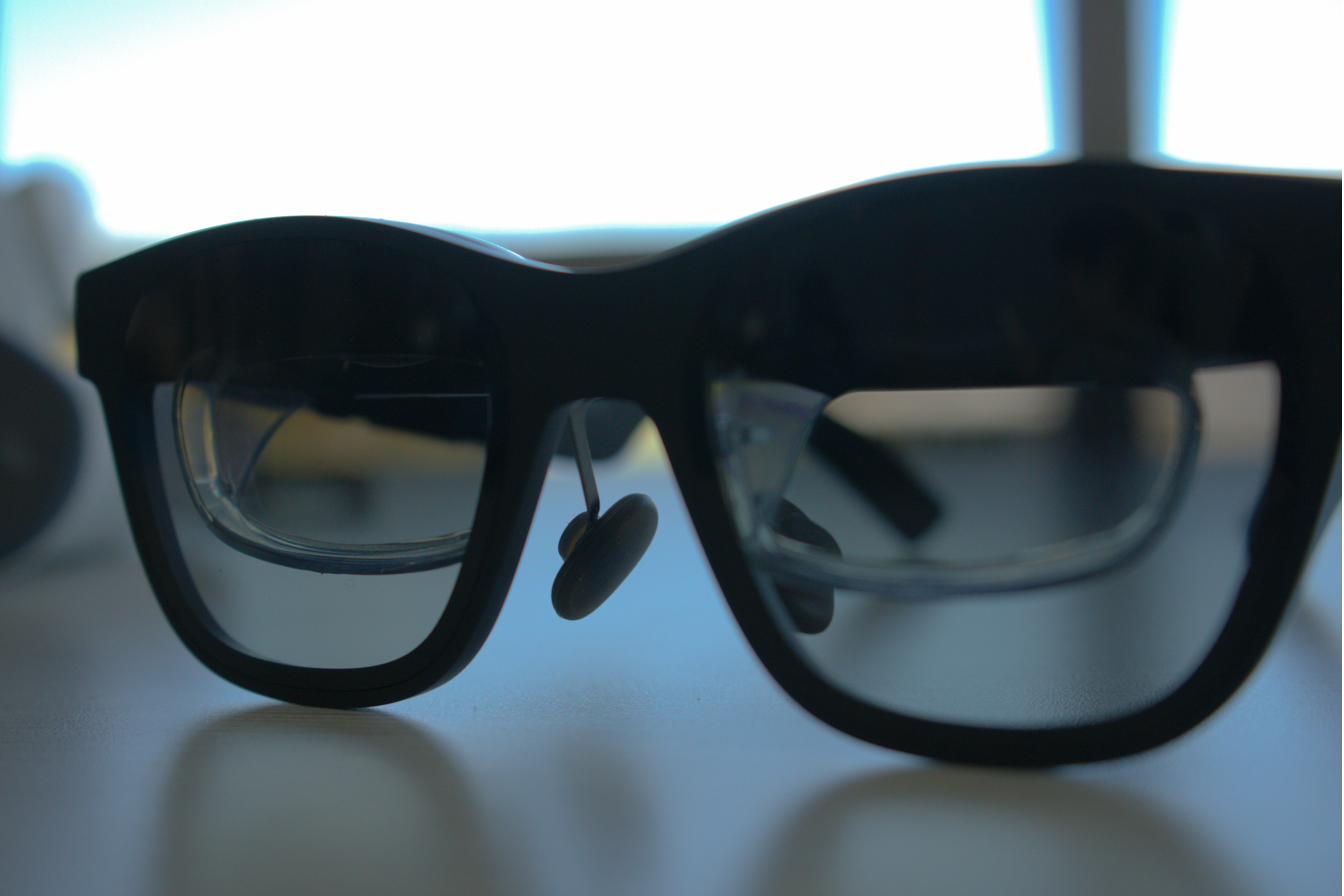
Conferences, demos, and the team at work. A gentle rolling deck — pauses when you hover or focus, and holds still if you prefer reduced motion.
Research
How do we make interaction with 3D and immersive systems natural, low-effort, and available to everyone?
What people naturally do with gesture, speech, and gaze — one modality at a time or combined. We run elicitation and observational studies, then build the interaction techniques they point to.
The building blocks of useful AR — notifications, timers, cues, labels — and what they cost. We measure how cueing, clutter, and automation bias shape attention, and design displays that inform without overload.
Immersive systems that teach. We optimize cognitive load in XR training and build immersive learning environments — and study how those experiences shape interest and retention in computing.
XR aimed at wellbeing: virtual nature for stress reduction, nature contact for older adults, and clinical AR such as ergonomic feedback in surgery.
Interaction design for everyone — accessible XR interaction for people with disability, Deaf community led XR research, and more.
As intelligent systems become the interface, we study how people work alongside them — intelligent user interfaces, what AI model degradation does to users, and the privacy, trust, and safety guarantees XR + AI must meet.
Why it matters
The technical work points somewhere human — mental health, accessibility, and helping people learn and perform.
Forest-bathing environments that measurably reduce stress — exploring how virtual nature can support mental health.
Designing user interfaces for young adults with autism, with the Dan Marino Foundation — technology that meets people where they are.
Using VR to study how immersive experiences shape interest and retention in computing — so more students find their place in the field.
People
A multidisciplinary group — computer science, psychology, human factors, and more.